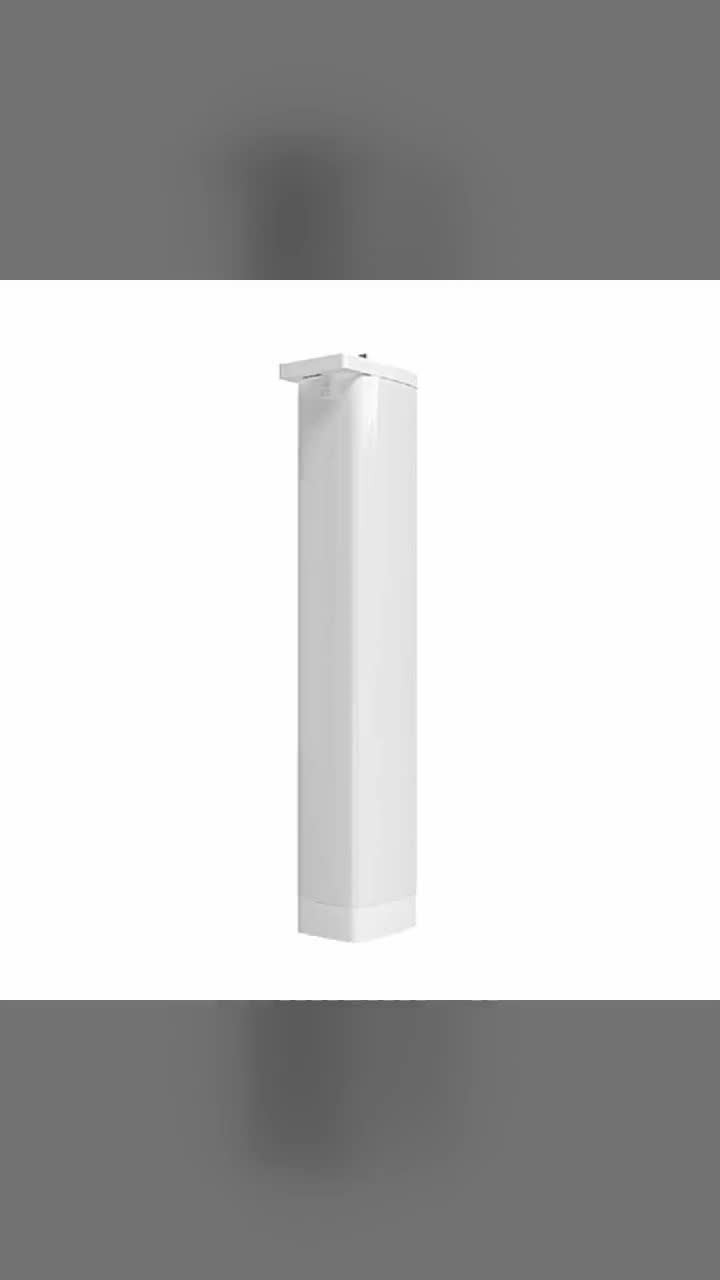
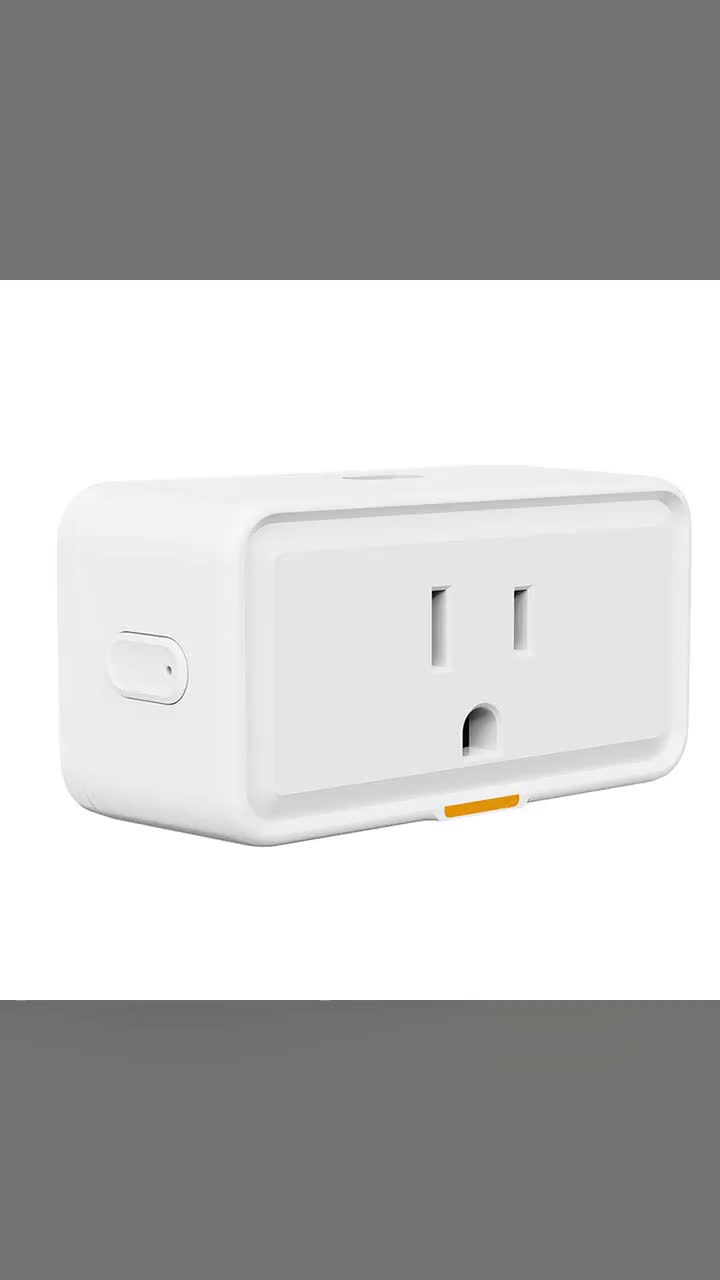
Smart home
Smart Home Ideas to Help Elderly Parents Live Independently
Affordable smart devices can make an older parent's home safer and give the family peace of mind: motion-activated night lights to prevent falls, door sensors, water leak alarms, voice-controlled lights and appliances, and gentle activity alerts. Set everything up with your parent's agreement, keep it simple, and remember these tools are not a replacement for a medical alert system.
Many older people want to stay in their own homes as long as possible. A handful of simple smart devices can make that safer, without making the home feel like a hospital.
Start with a conversation
Before buying anything, talk with your parent about what they find hard and what would make them feel safer. Agree on what you will set up, who gets alerts, and what you will not monitor. Sensors that show events, such as "front door opened at 2 am", feel far less intrusive than cameras.
The most useful devices
| Need | Device | Why it helps |
|---|---|---|
| Safe trips to the bathroom at night | Motion-activated night lights | No fumbling for switches in the dark |
| Fewer switches to reach | Smart plugs with voice control | "Turn on the lamp" from the chair |
| Peace of mind about the front door | Door sensor | Alert if it opens at night |
| Catching leaks early | Water leak alarm | Loud buzzer plus a phone alert |
| Check-ins without calling | Motion sensor | A gentle alert if there is no activity by mid-morning |
| Lost keys | Key finder | Ring them from the phone |
| Comfortable rooms | Temperature sensor | Alert if the home gets too cold or hot |
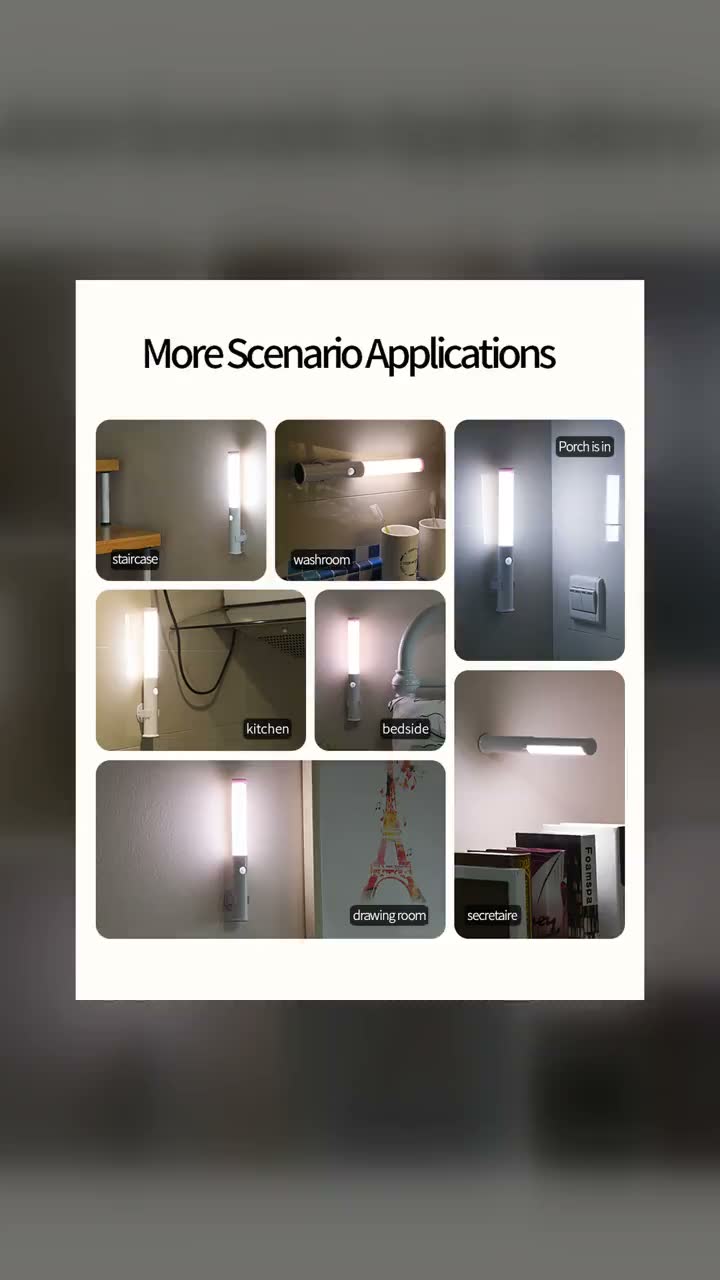 Motion-Activated Night LampLights up when someone moves at night, then switches itself off.Watch the reel →
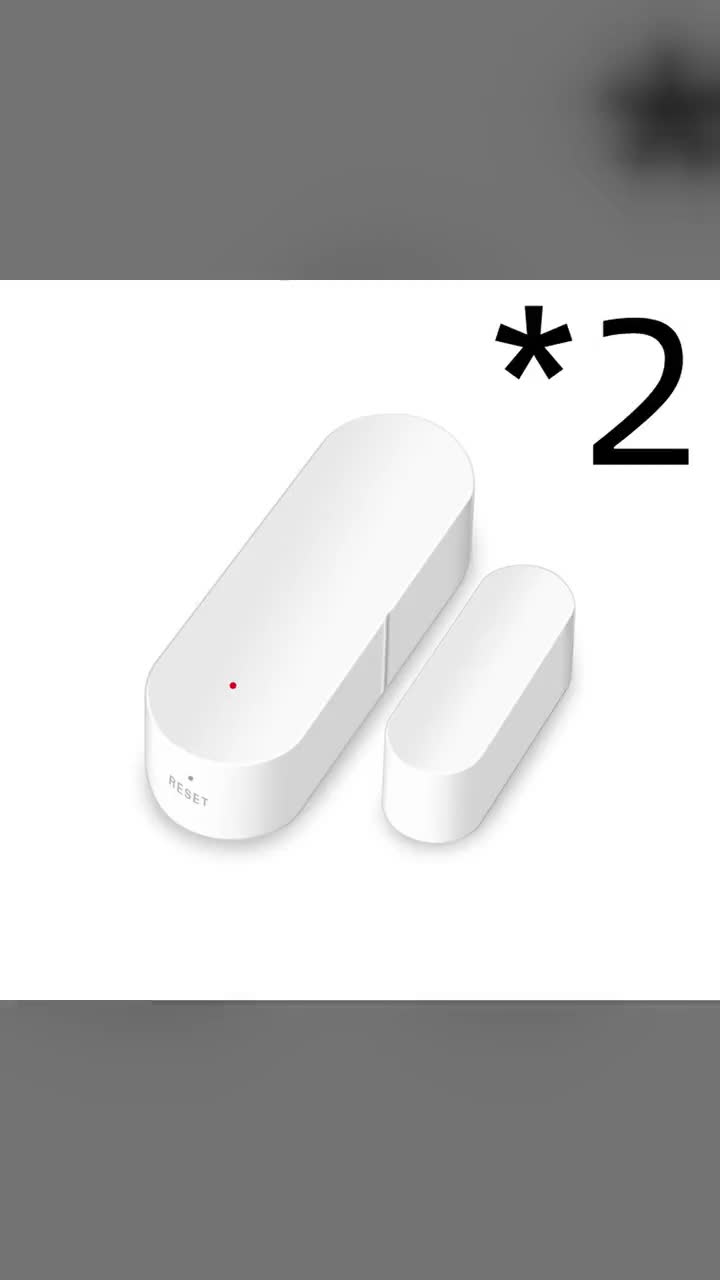 Tuya Wi-Fi Door SensorAlerts when the front door opens, for example at night.Watch the reel →
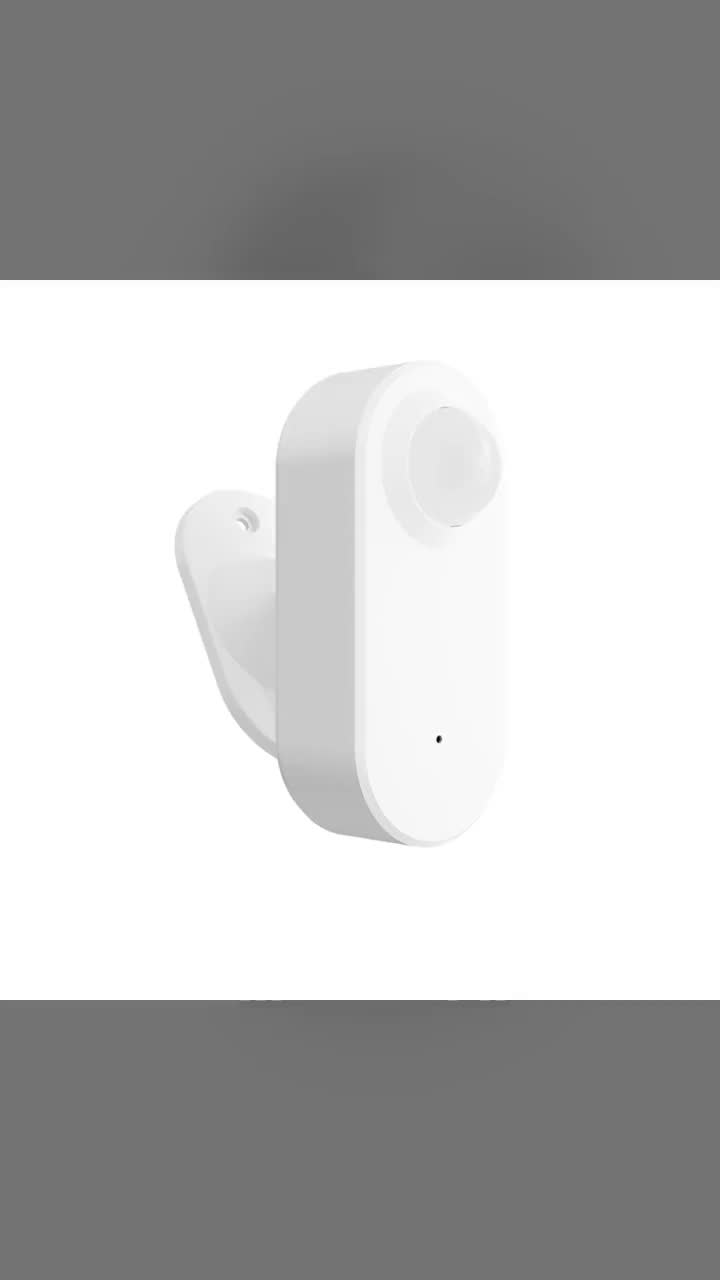 Zigbee / Wi-Fi Motion SensorCan power gentle 'no activity' check-in alerts.Watch the reel →
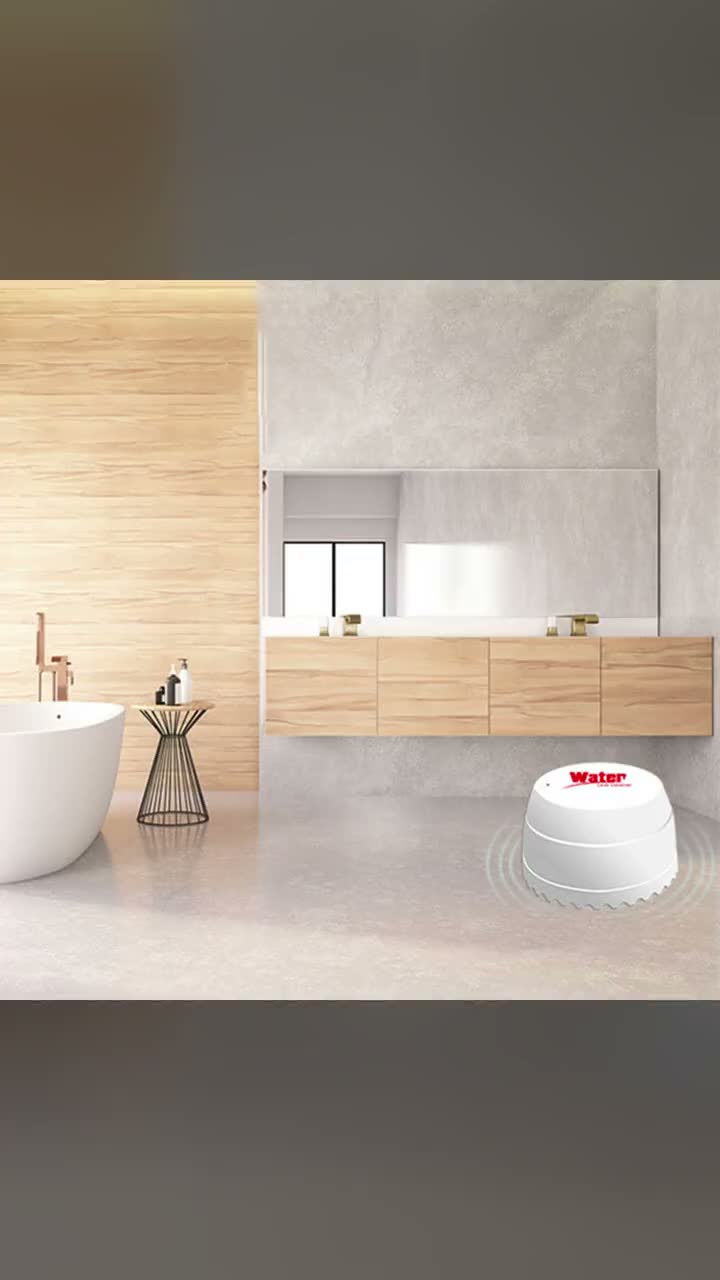 Wi-Fi Leak Alarm with BuzzerLoud local alarm plus a phone alert for leaks.Watch the reel →
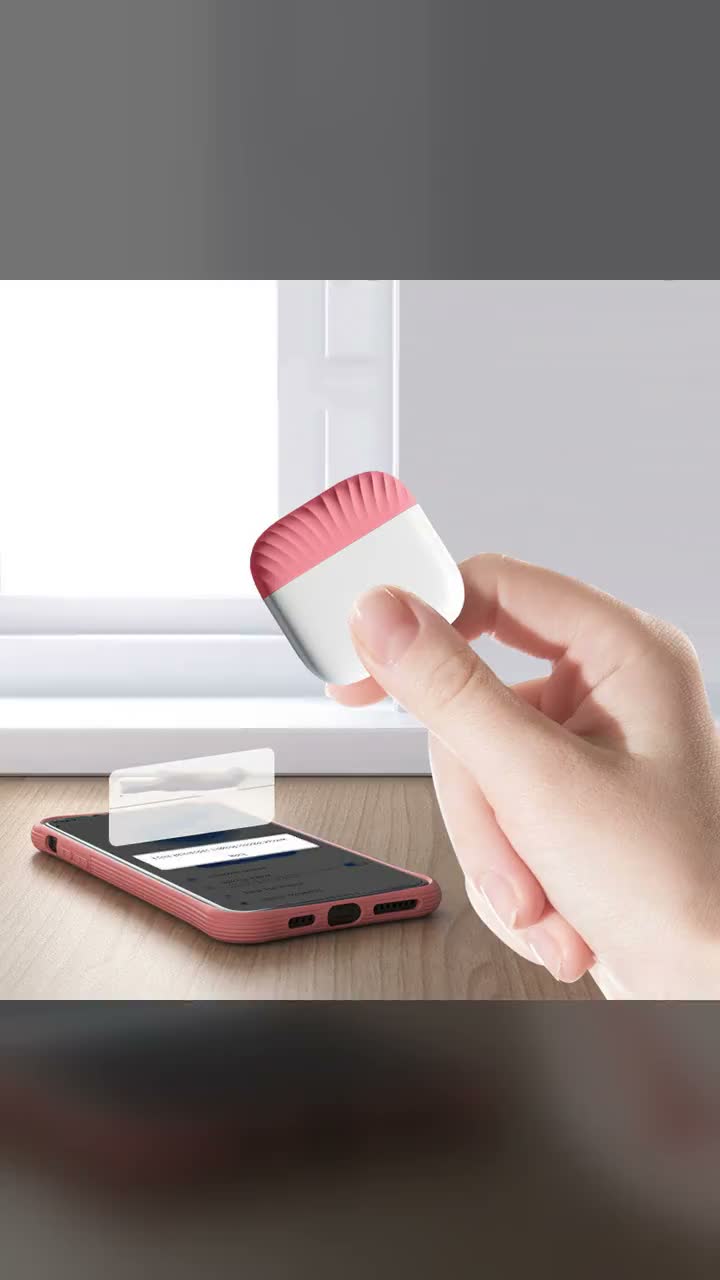 Two-Way Key FinderRing the keys from the phone, or the phone from the keys.Watch the reel →
Keep it simple
- Automatic beats clever: motion lights and leak alarms work without anyone touching them.
- Voice beats apps: a smart speaker for lights and reminders is easier than a phone app.
- Manage it yourself: set up the app on your phone and share access as agreed.
- Label things: a small note by each device saying what it does helps visitors and carers.
Helpful automations
- Hallway and bathroom night lights on with motion, after dark only.
- Morning check-in: notify family if there is no movement in the kitchen by 10 am.
- Front door opened between midnight and 6 am: notify a family member.
- Living room lamp on at sunset every day.
What these devices are not
Smart sensors are not a medical alert system: they cannot detect a fall or call for help on their own. If falls or medical emergencies are a concern, pair them with a dedicated alert pendant or a watch built for fall detection.
More guides: motion sensor lights, water leak detectors and door and window sensors.
Frequently asked questions
What smart devices help elderly people the most?
Motion-activated night lights to reduce falls, voice-controlled lights and plugs, door sensors, water leak alarms and item finders tend to give the most benefit for the least complexity.
Can smart sensors detect a fall?
Ordinary motion and door sensors cannot detect a fall. They can show unusual inactivity. For falls, use a dedicated medical alert device or a watch designed for fall detection.
How do I monitor a parent without invading their privacy?
Agree on it together, use sensors rather than cameras, share alerts only with people your parent chooses, and focus on safety events such as doors at night or leaks, not constant tracking.
What if my parent isn't comfortable with technology?
Choose devices that work automatically, such as motion lights and leak alarms, and set up voice control so nothing needs an app on their side. You can manage the app from your own phone.