Everyday gadgets
Bluetooth Trackers for Keys, Wallets and Luggage: How They Work
Bluetooth-only finders work within tens of metres; network-based tags such as Apple Find My-compatible trackers can be located anywhere other phones pass by. Pick one that matches your phone, and use a network tag for luggage.
A small tracker on your keys, wallet, bag or suitcase turns "where did I put it?" into a ten-second search. They cost little, but they do not all work the same way, and the difference matters. This guide explains the types, what range to expect and how to choose one for your phone.
How item trackers work
Bluetooth-only finders
The tracker talks directly to your phone over Bluetooth. Within range, typically tens of metres in the open and less through walls, your phone can make it beep or show roughly how close it is. Many also give a separation alert when you walk away from it. Outside that range, the app can usually only show where your phone last saw it.
Network-based trackers
Trackers that work with a finding network, such as Apple's Find My, are detected anonymously by other people's nearby phones, which report the location back to you. That means a lost suitcase can be found in another city, not just in the next room. The catch: they work with one ecosystem, so an Apple Find My tag needs an iPhone.
Two-way finders
Some finders work in both directions: press the button on the tag and your phone rings, even on silent in many cases. Handy if you lose your phone more often than your keys.
Trackers for keys, wallets and luggage
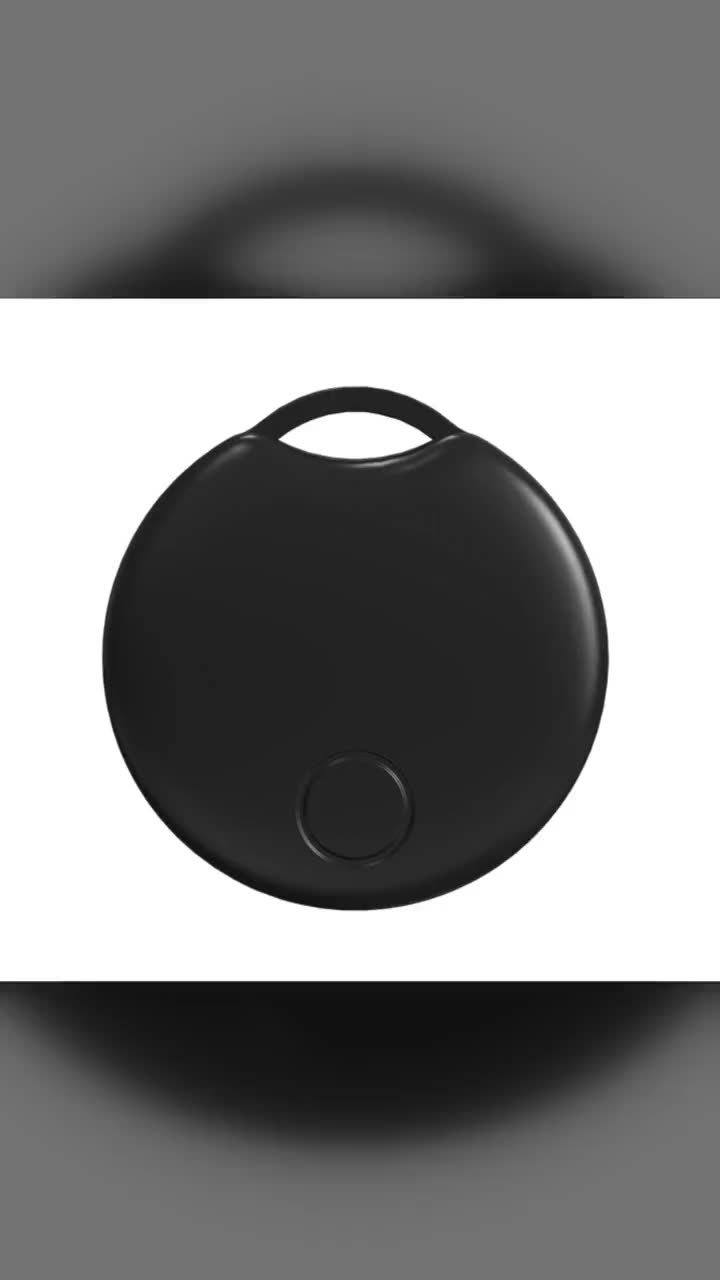 Find My-Compatible Smart TagWorks with Apple's Find My app, so it can be located far beyond Bluetooth range.Watch the reel →
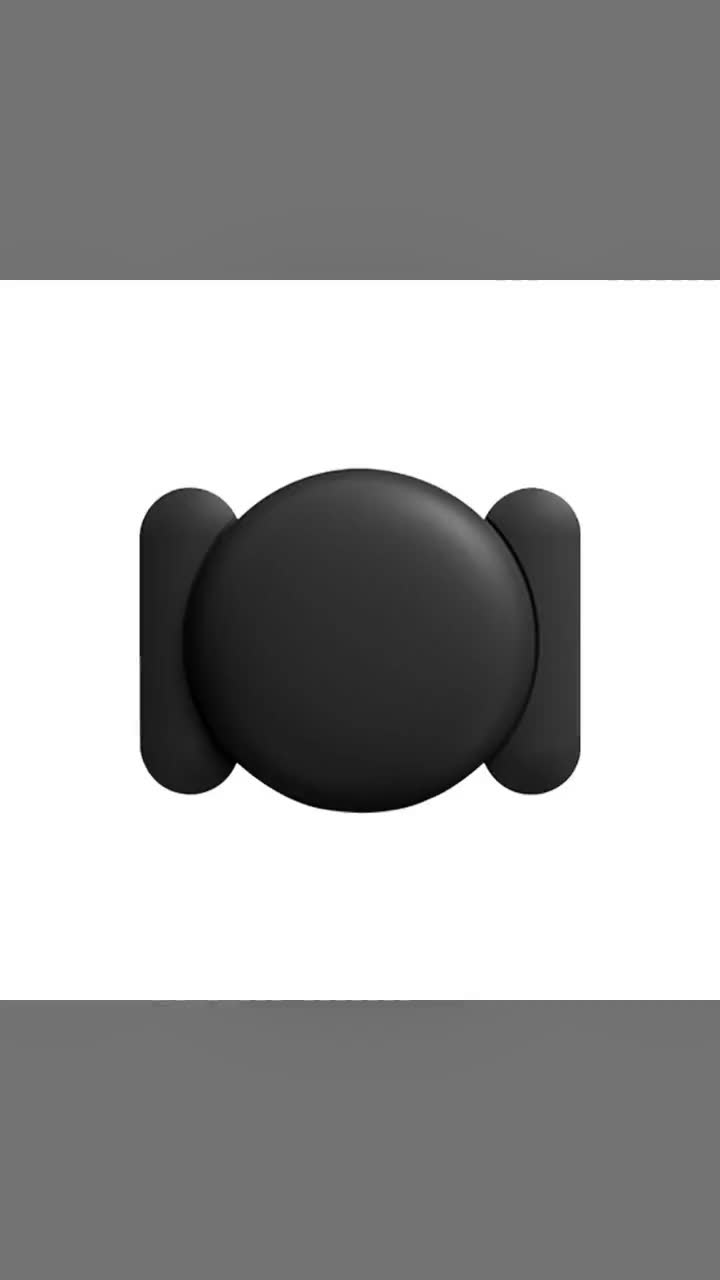 iOS Locator with Magnetic CaseAn iPhone-only tracker in a magnetic protective case, for keys and luggage.Watch the reel →
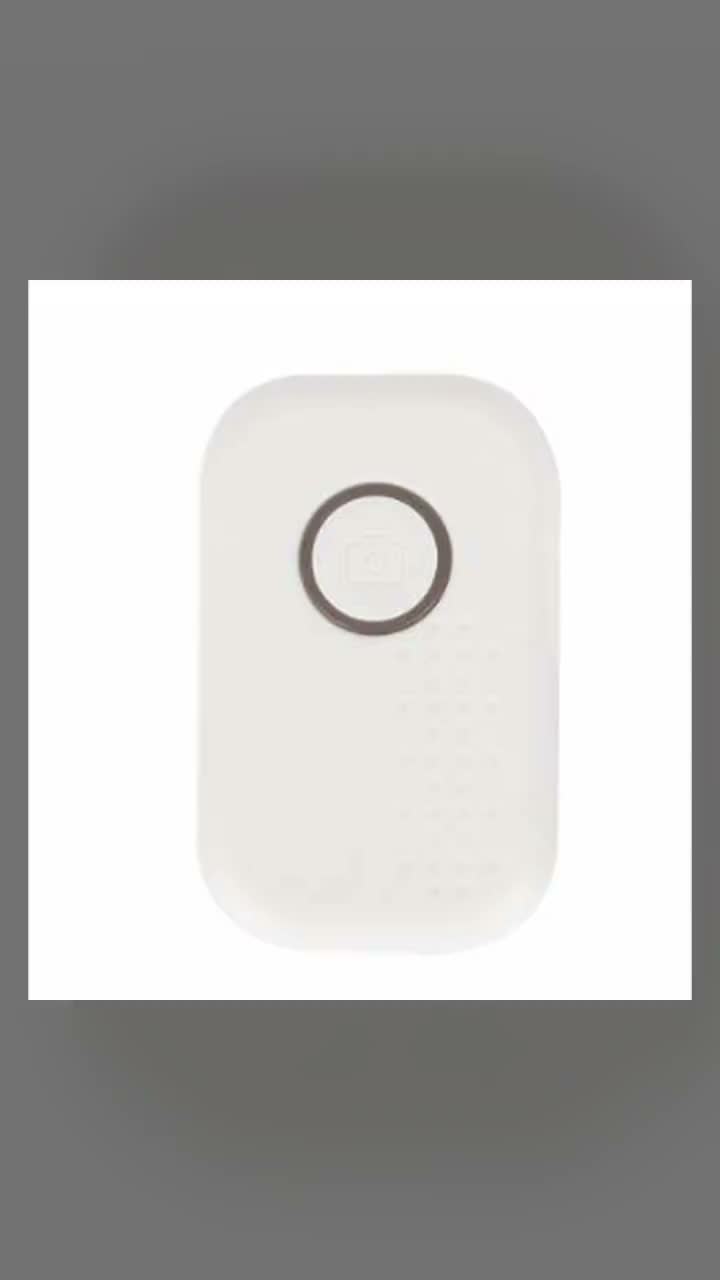 iTag Bluetooth Item FinderA 90 dB beeper on a CR2032 coin cell, listed for about a year of standby.Watch the reel →
 Two-Way Wallet & Key FinderRechargeable, about 40 m range, and it can ring your phone as well.Watch the reel →
How to choose
- Match your phone. Check whether the listing says iPhone, Android or both. Some products come in separate Apple and Android versions.
- Decide on range. For around the house, a Bluetooth finder is enough. For travel and luggage, a network-based tracker is far more useful.
- Battery type. Coin-cell trackers (often CR2032) last months and are cheap to replace. Rechargeable ones never need new batteries but must be charged.
- Loudness and shape. A louder beeper is easier to find under sofa cushions. Flat, card-shaped tags fit wallets; round tags suit key rings.
Travel tips
- Put the tracker inside the suitcase, not on the outside handle where it can be cut off.
- Check your airline's rules on batteries in checked luggage before you fly.
- Test it before the trip: walk away from it and make sure alerts arrive.
For pets
Bluetooth pet tags help you find a cat hiding in the house or a dog in the next garden. They are not live GPS trackers with their own SIM card, so do not rely on one alone for a pet that roams far. A reflective collar also helps drivers see your pet at night. Our pet feeder guide covers more smart pet gear.
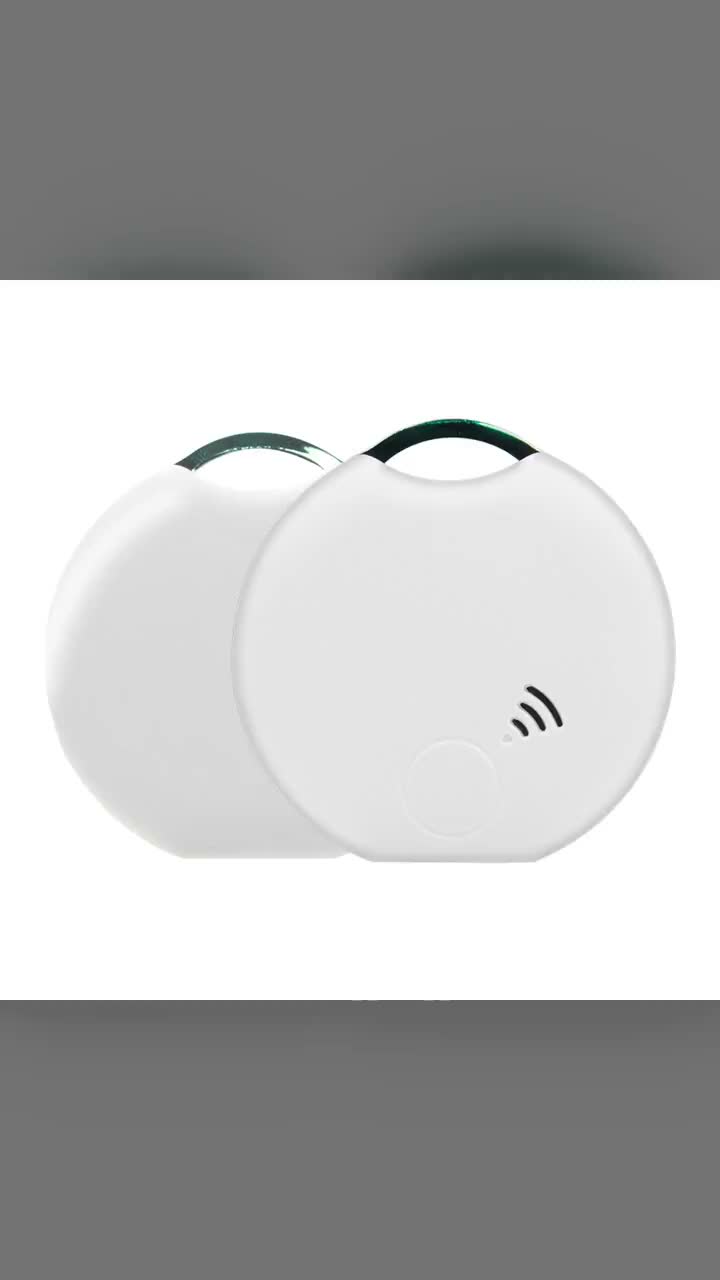 Bluetooth Pet Tracker TagA small 40 mm tag that clips to an existing collar.Watch the reel →
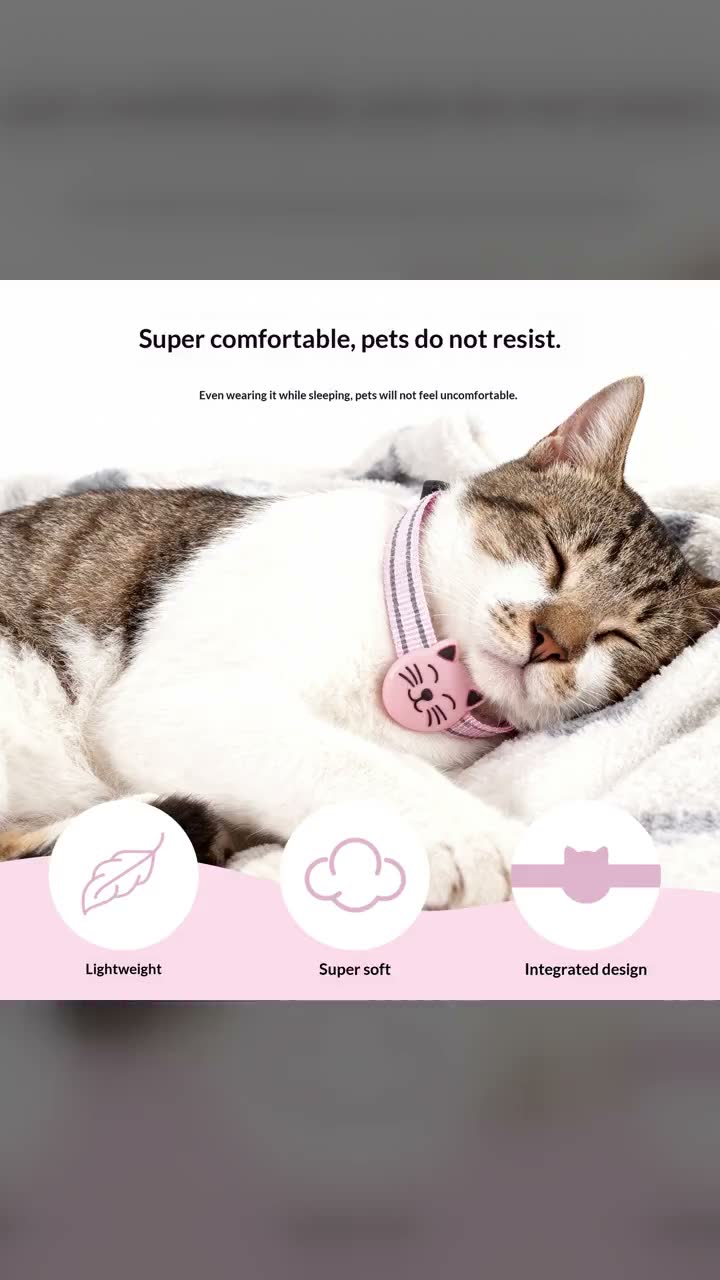 Tracker Collar with Safety BuckleA reflective collar with a built-in locator, in Apple and Android versions.Watch the reel →
Use trackers responsibly
Trackers are for your own belongings and pets. Never put one on another person or their property without their knowledge: it is illegal in many places, and phones increasingly warn people when an unknown tracker is travelling with them.
Trackers make easy, useful gifts too. See our tech gifts under $30, or browse more in Tech & Gadgets.